Skip to content

Table of Contents
If you have started noticing faint forehead lines after a long day or little creases near your eyes that hang around after you stop smiling, it makes sense to wonder if now is the right time for Botox. Most people ask because they want to keep early lines from settling deeper.
At DermaGlow MedSpa, this question comes up often. The answer is usually less about your exact age and more about what your skin is starting to show when your face is in motion and when it is at rest.
What is the best age to start Botox for preventing fine lines?
There is no single perfect age for everyone. The right time usually depends on when early expression lines begin to linger, your muscle movement, and your goals for prevention rather than correction.
Why Is There No Universal Best Age For Botox?
There is no universal age when someone should start Botox for Wrinkles. Starting at 25 does not automatically make sense for everyone, just as waiting until 35 is not always ideal for everyone else. The better question is this: are repeated facial movements starting to leave faint lines behind?
Some people develop early dynamic lines sooner because they have stronger facial expressions, spend more time in the sun, or have skin that creases easily. Others may not notice those same changes until later. This is why age alone is not a very useful guide.
For prevention, we focus on early fine lines, not deep etched wrinkles that stay visible all the time. If a line is beginning to stick around after you stop frowning, squinting, or raising your brows, that is often a more helpful signal than the number on your birthday.
What Is Preventive Botox?
Preventive Botox is exactly what it sounds like. It uses small amounts of a wrinkle relaxer to reduce repetitive muscle movement in areas that crease repeatedly.
At DermaGlow MedSpa, Botox® in McLean, VA, is used in common areas such as the forehead, frown lines between the brows, and crow’s feet, all places where repeated movement can lead to more visible lines over time.
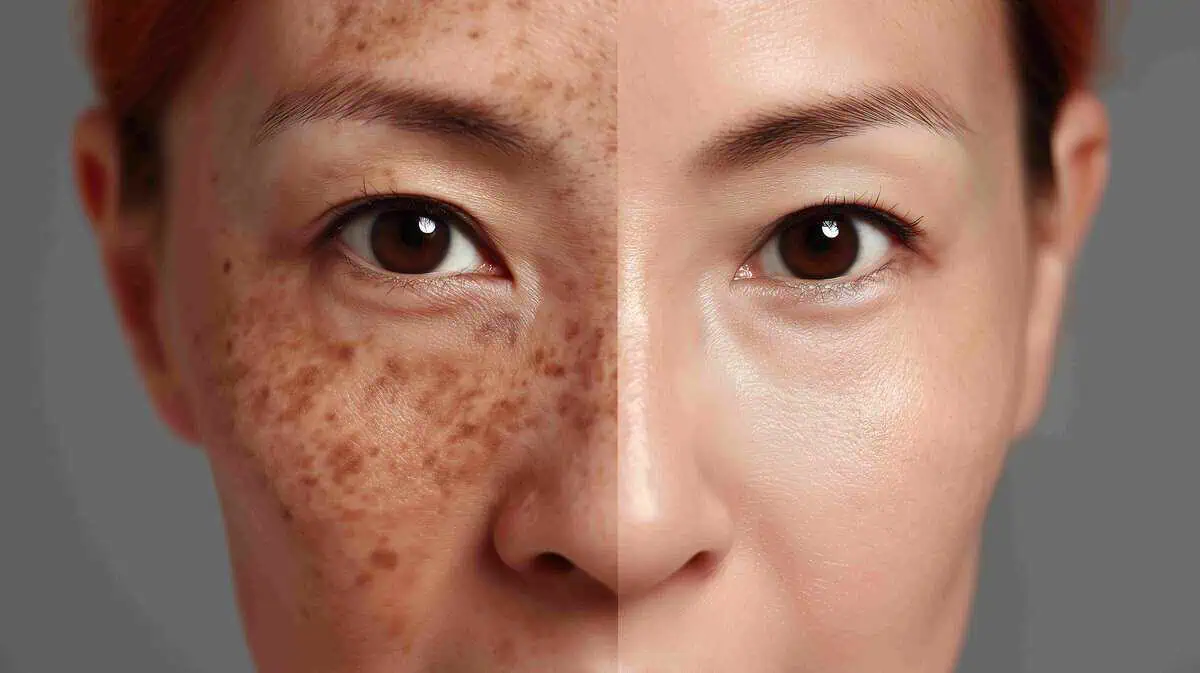
This kind of treatment is different from treating deeper wrinkles that are already set in at rest. Dynamic lines show up when you make expressions. Static lines stay visible even when your face is relaxed.
Preventive treatment is usually aimed at the earlier phase, when the goal is to soften muscle activity before those creases become more noticeable day to day. That is why early Botox for wrinkles can be appealing for the right person.
Signs You May Be Ready to Start
A few subtle clues can point to good timing.
You might notice that a line across your forehead does not disappear as quickly as it used to after raising your brows. You may see makeup settling into a faint crease near the eyes. Sometimes patients notice the same small fold between the brows every time they concentrate at work, and then they start seeing it linger a little longer afterward.
In many cases, the real reason someone looks into Botox for Wrinkles is not because lines are severe. It is because they can see where those lines are headed. They want maintenance, not a major correction later.
This is often the sweet spot for prevention. When the signs are mild but consistent, treatment can be more about preserving a smoother look than reversing deeper creasing.
When It May Be Too Early
It can also be too early, and that is worth saying clearly. If you do not have visible early expression lines, no repeated creasing in the areas that concern you, and no specific prevention goal beyond seeing the treatment online, you may not need Botox yet.
Social media can make it seem like everyone should start in their early 20s. In practice, that is not how we approach treatment. Starting “just because” is not the same thing as starting for a real reason. A consultation should focus on your current anatomy, movement patterns, and what you want to maintain, rather than on age trends.
Good timing is personal. The goal is not to start as young as possible. The goal is to start when treatment makes sense for your face.
The Best Age Range for Most Preventive Botox Patients
If you want a more direct answer, many preventive Botox conversations begin in the late 20s to early 30s. That is a common window, as this is often when early dynamic lines linger a bit longer. Still, it is only a general range, not a rule.
Some patients are good candidates earlier if they have strong muscle movement and early visible lines. Others may not need treatment until later. At DermaGlow MedSpa, we look more closely at how your forehead, glabella, and crow’s feet behave than at your age alone.
A helpful way to think about it is simple. If the first signs of line formation are appearing, it may be the right time to talk about prevention. If not, you may be better off waiting and reassessing later.
What To Expect If You Start Botox Early
If you start Botox early for prevention, you can expect a quick, minimally invasive treatment that is usually completed in less than 30 minutes. Results often begin to show in about 3 to 7 days, with fuller effects around two weeks, and the smoothing effect generally lasts about 3 to 4 months.
Starting earlier does not mean you are committing to constant treatment or an aggressive schedule. It means you are choosing to address early movement-related lines before they become deeper. For many patients, that feels more manageable and more natural than waiting until those lines are harder to ignore.
The best preventive results usually come from thoughtful dosing, careful placement, and a plan built around the areas that are starting to crease.
Ready For A Personalized Botox Plan?
If this question has been on your mind, a consultation can give you a much clearer answer than guessing based on age alone. At DermaGlow MedSpa, we assess your facial movement, early signs of line formation, and goals to help you decide whether now is the right time for Botox® in McLean, VA. Learn when Botox can help prevent fine lines before they become deeper wrinkles by scheduling a consultation with our team.