Skip to content

Table of Contents
Booking a laser treatment for the first time comes with many questions. How long does the appointment take? Will it hurt? What will your skin look like when you walk out the door, and how many days should you keep clear on the calendar afterward?
At DermaGlow Medspa in McLean, VA, those are the questions patients ask most often before their first Cartessa® Helix CO2 Laser session, and they deserve straight answers. Knowing what to expect ahead of time takes most of the guesswork out of it.
What should I expect from a Cartessa® Helix CO2 Laser treatment?
A Cartessa® Helix CO2 Laser treatment is an in-office skin resurfacing session in which controlled laser energy renews the skin’s surface and stimulates collagen production beneath the skin. Most patients spend a short time in the treatment room, then move through a recovery window of several days as the skin heals and gradual improvement begins.
What Does the Cartessa® Helix CO2 Laser Do to Your Skin?
The Cartessa® Helix CO2 Laser is a form of skin resurfacing that treats both the skin’s surface and deeper layers simultaneously. It delivers controlled energy to remove damaged outer skin while prompting collagen production that drives natural renewal beneath.
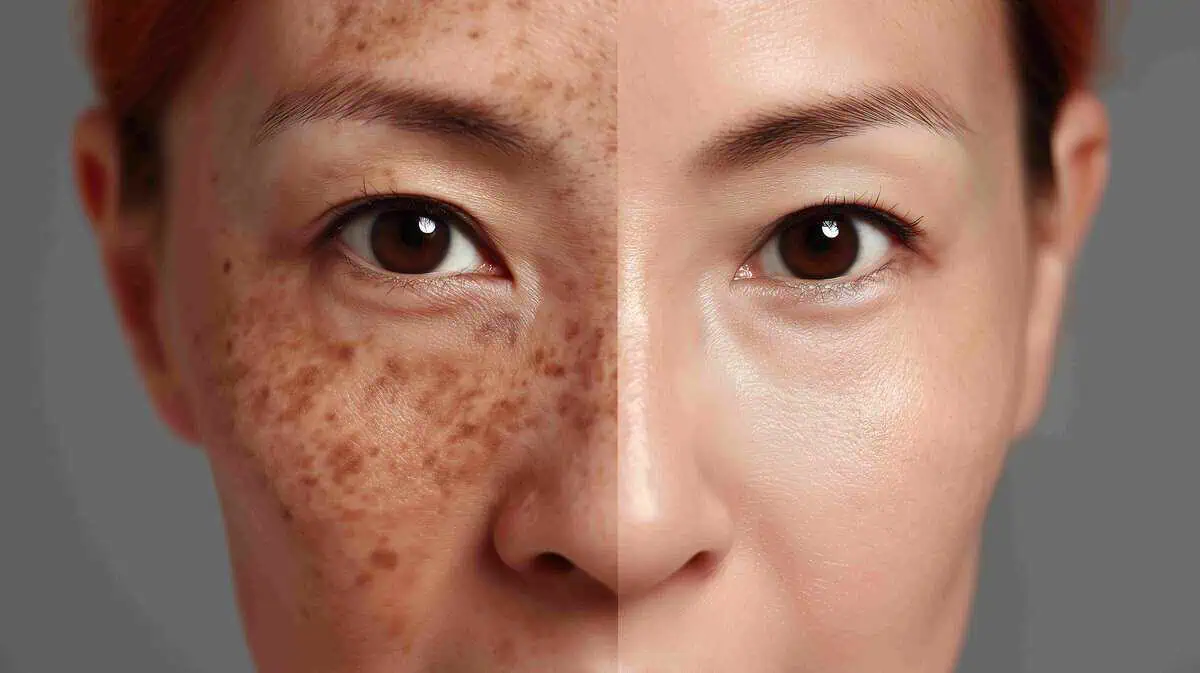
Patients most often choose this treatment to address fine lines, acne scars, uneven skin tone, and sun damage on the face, neck, chest, and hands. Because the system can be adjusted to your skin type and goals, the session intensity and the recovery that follows are tailored to you rather than to a fixed setting. That flexibility is part of why this laser peel approach works for a range of concerns.
How to Prepare for Your Appointment?
Preparation starts with a consultation, where your provider assesses your skin type, reviews your concerns, and sets the treatment intensity that fits your goals. This is also when you will get specific pre-treatment instructions, since prep varies depending on your skin and how deep the session will go.
General guidance usually includes the following:
- Avoid direct sun and skip tanning in the weeks leading up to treatment, since freshly tanned skin can affect how the laser is tolerated.
- Pause certain skincare actives, such as retinoids or exfoliating acids, if your provider advises it.
- Arrive with clean skin, free of makeup, sunscreen, and lotion.
- Plan your day around the appointment, including a ride home if numbing or downtime is a factor.
Your provider will give you the exact list that applies to your treatment, so follow their instructions over any general checklist.
What Happens During the Treatment?
Most sessions begin with a numbing step. A topical anesthetic is applied to the treatment area and allowed to take effect, keeping you comfortable while the laser works. Your provider will confirm the area is numb before starting.
As the laser passes over the skin, most patients feel warmth and a light prickling sensation, along with the sound of the device. It is a manageable experience for most people, and your provider paces the session and checks in with you throughout.
Session length depends on the size and number of areas being treated, so a single spot, like the under-eye area, moves faster than a full-face, neck, and chest combination. This advanced laser therapy treats the face, neck, chest, and hands, and your provider will map out exactly which areas are included before treatment begins.
Your Recovery Timeline
Recovery from a Cartessa® Helix CO2 Laser treatment generally spans several days, though the exact timeline varies depending on your skin and the depth of the session. A lighter treatment settles faster, while a deeper one asks for more downtime.
Here is the general arc most patients follow:
- Days one to three: Redness and a warm, tight feeling are most noticeable. The skin may look slightly swollen at first.
- Days three to five: Dryness, flaking, or light peeling often begins as the surface renews. This is a normal part of the process.
- Around a week: The peeling settles, and fresh skin starts to show, though some pinkness can linger longer.
Mild redness, dryness, and flaking are expected. Contact the office if you notice anything that concerns you, such as increasing pain, signs of infection, or a reaction that feels outside what your provider described.
Aftercare That Supports Healing
Good aftercare helps protect your results as the skin repairs itself. The habits that support healing are simple and consistent:
- Cleanse gently with a mild, non-irritating cleanser and pat dry.
- Keep the skin moisturized with the product your provider recommends.
- Apply sun protection every day and limit direct sun exposure.
- Leave the skin alone. Avoid picking or peeling flaking areas, and hold off on retinoids and exfoliating actives until your provider clears them.
Sun protection carries extra weight during this window because new skin is more sensitive to UV exposure, and shielding it helps the renewal settle evenly. These are general guidelines, so follow the specific plan your provider gives you.
When Will Skin Renewal Start to Show?
Some patients notice early changes within the first week, once the initial redness and flaking settle and fresher skin comes through. The more meaningful part of wrinkle reduction and texture improvement develops gradually over the following weeks as collagen production continues beneath the surface.
Results vary from person to person, and factors like your starting skin condition, the treatment intensity, and how closely you follow aftercare all play a role. Your provider may suggest maintenance sessions as part of a longer skincare plan and will talk through realistic expectations for your skin during your consultation.
Ready to See What Cartessa® Helix CO2 Laser Can Do for Your Skin?
If you have been considering skin resurfacing and want a clear sense of what your own treatment would look like, the team at DermaGlow Medspa in McLean, VA, is here to walk you through it. Ready for dramatic results? Learn More about the power of Cartessa® Helix CO2 Laser today. Schedule a consultation, and we will assess your skin, answer your questions, and develop a plan tailored to your goals.